

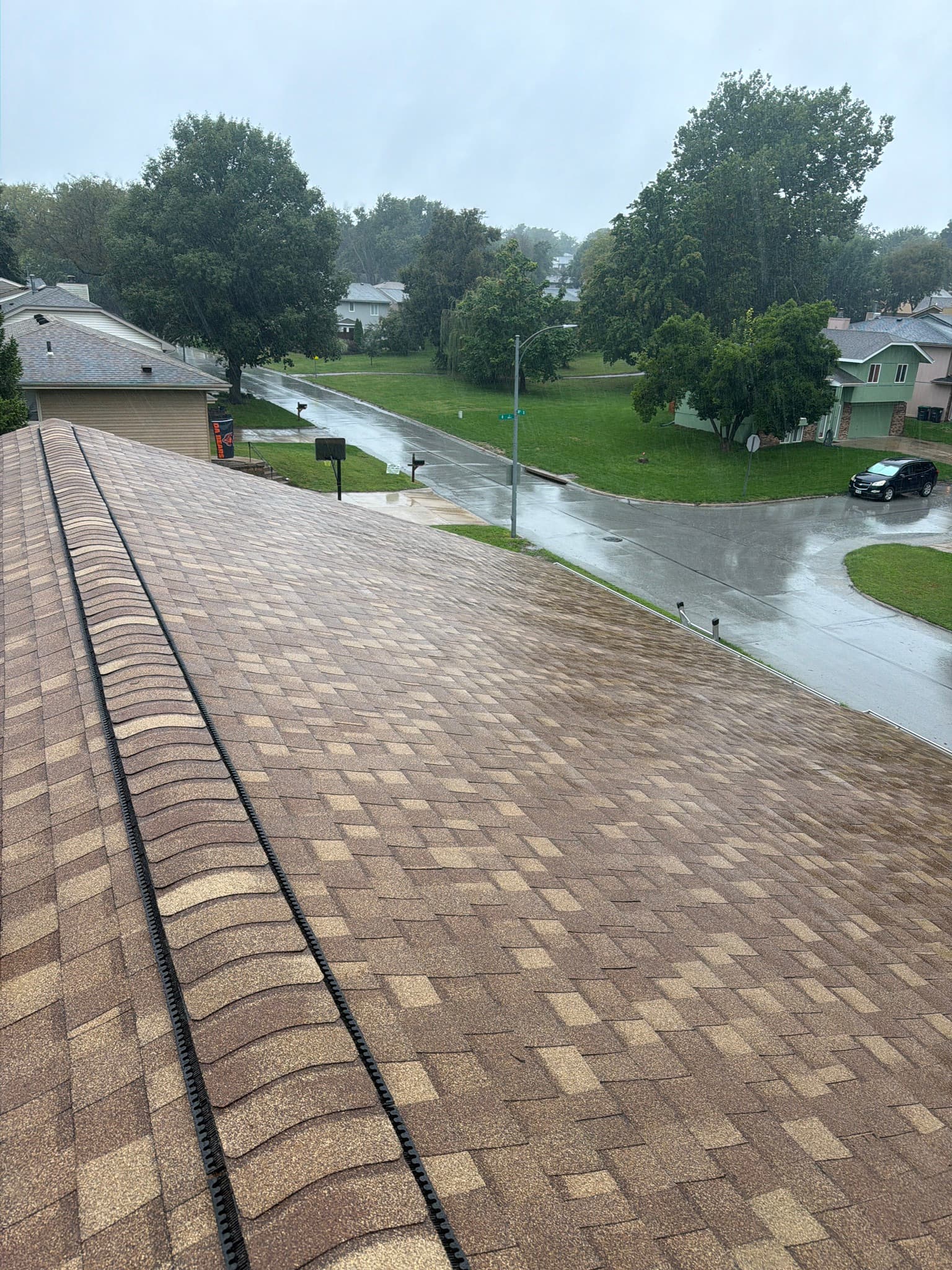
Attic & Roof Ventilation
Roof Ventilation in Omaha, NE
Your roof needs to breathe. We design and install balanced ridge-and-soffit ventilation that stops ice dams, cuts summer attic heat, and helps your shingles reach their full lifespan.
Call Now: (402) 216-8850Get Your Free Estimate







Why It Matters
The Hidden System That Protects Your Roof
Most homeowners never think about attic ventilation until something goes wrong. But every roof depends on steady airflow. Cool outside air comes in at the eaves, moves up under the roof deck, and carries heat and moisture out at the peak.
When that airflow stops, the attic turns into a heat trap in summer and a moisture trap in winter. Shingles bake from below, the roof deck can warp or grow mold, and Nebraska winters turn melting snow into ice dams that push water under your shingles.
We inspect, design, and install roof ventilation across the Omaha metro, as a stand-alone upgrade or as part of a full roof replacement.
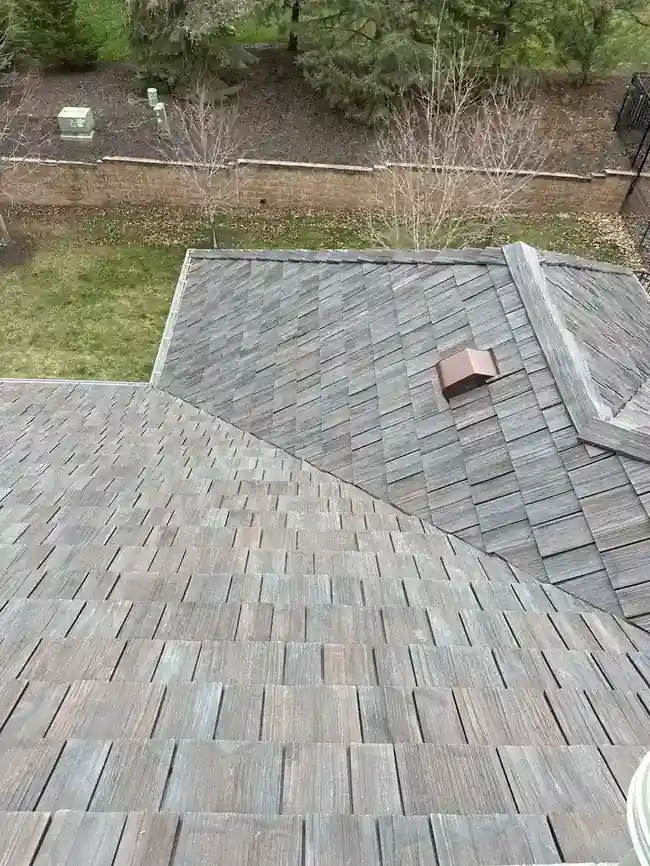
Proper roof ventilation pairs intake vents at the soffits with exhaust vents at the ridge, so air moves continuously through the attic. The standard guideline is 1 square foot of vent area per 300 square feet of attic, split evenly between intake and exhaust. Balanced ventilation keeps the attic near outdoor temperature, which prevents ice dams in winter, cuts heat buildup in summer, and is required by most shingle manufacturers to keep your warranty valid.
How It Works
Intake and Exhaust Work as One System
Ventilation only works when both halves are sized and installed correctly.
Intake: Soffit Vents
Vented soffit panels under the eaves let cool, dry air into the attic at its lowest point. We also install or check insulation baffles so attic insulation never blocks the airway.
- Vented soffit panels
- Insulation baffles
- Clear eave-to-attic airflow
- Drip-edge intake where needed
Exhaust: Ridge Vents
A continuous ridge vent runs the full length of the peak, letting hot, moist air escape evenly. It sits low under matching ridge cap shingles, so it is barely visible from the street.
- Continuous shingle-over ridge vent
- Even, passive airflow
- Weather and insect filter
- Clean, low-profile look
Specialty Exhaust
Hip roofs and complex rooflines do not always have enough ridge for a ridge vent. For those, we use static roof vents or other exhaust sized to your attic, never mixed in a way that short-circuits airflow.
- Static and box vents
- Hip and complex rooflines
- Gable vent corrections
- Sized to your attic
Warning Signs of Poor Attic Ventilation
Ventilation problems tend to show up slowly, and they're easy to confuse with other issues. If you notice any of these, it's worth a free inspection before the damage spreads.
- Ice dams and heavy icicles along the eaves in winter
- An attic that feels like an oven in summer
- Frost, condensation, or dark stains on the underside of the roof deck
- Musty odors or mold on rafters and insulation
- Curling, blistering, or prematurely aging shingles
- Upstairs rooms that stay hot and high summer cooling bills
Why Nebraska Roofs Need Good Ventilation
Omaha's climate is hard on attics. Summer sun can push an unventilated attic well past 150°F, which bakes shingles from underneath and makes your air conditioner work harder. Winter brings the opposite problem: warm air leaking up from the house melts snow on the roof, the water refreezes at the cold eaves, and ice dams force meltwater back under the shingles.
Moisture is the other big threat. Everyday activities like cooking, showering, and running the dryer send water vapor into the attic. Without exhaust, it condenses on the cold roof deck in winter, leading to mold, rotted sheathing, and damp insulation that loses its R-value.
Balanced ventilation solves both problems by keeping the attic close to the outside temperature all year.
A common mistake we fix: mixing exhaust vents. A ridge vent combined with box vents or a power fan can pull air from the other exhaust vents instead of the soffits, which leaves part of the attic stagnant. We design a single exhaust strategy matched to enough intake, so air moves the full length of the attic the way it should.
Do It Right the First Time
Ventilation Built Into Every Roof We Install
A roof replacement is the best time to fix ventilation. With the old shingles off, we can cut a continuous ridge vent, remove outdated box vents, and confirm your soffits are actually pulling air, at little added cost.
It also protects your investment. CertainTeed and other manufacturers require proper ventilation to honor their shingle warranties, so we design every system to their specifications.
Related Roofing Services
Ventilation works hand in hand with the rest of your roof system. Learn more about the services that connect to it.
Explore Our Services
Frequently Asked Questions
Ice Dams or a Scorching Attic?
Get a free roof and attic ventilation inspection. We'll check your airflow, show you what's wrong, and explain the right fix.
Serving Omaha, Papillion, Bellevue, La Vista, Elkhorn, Gretna, and surrounding areas