

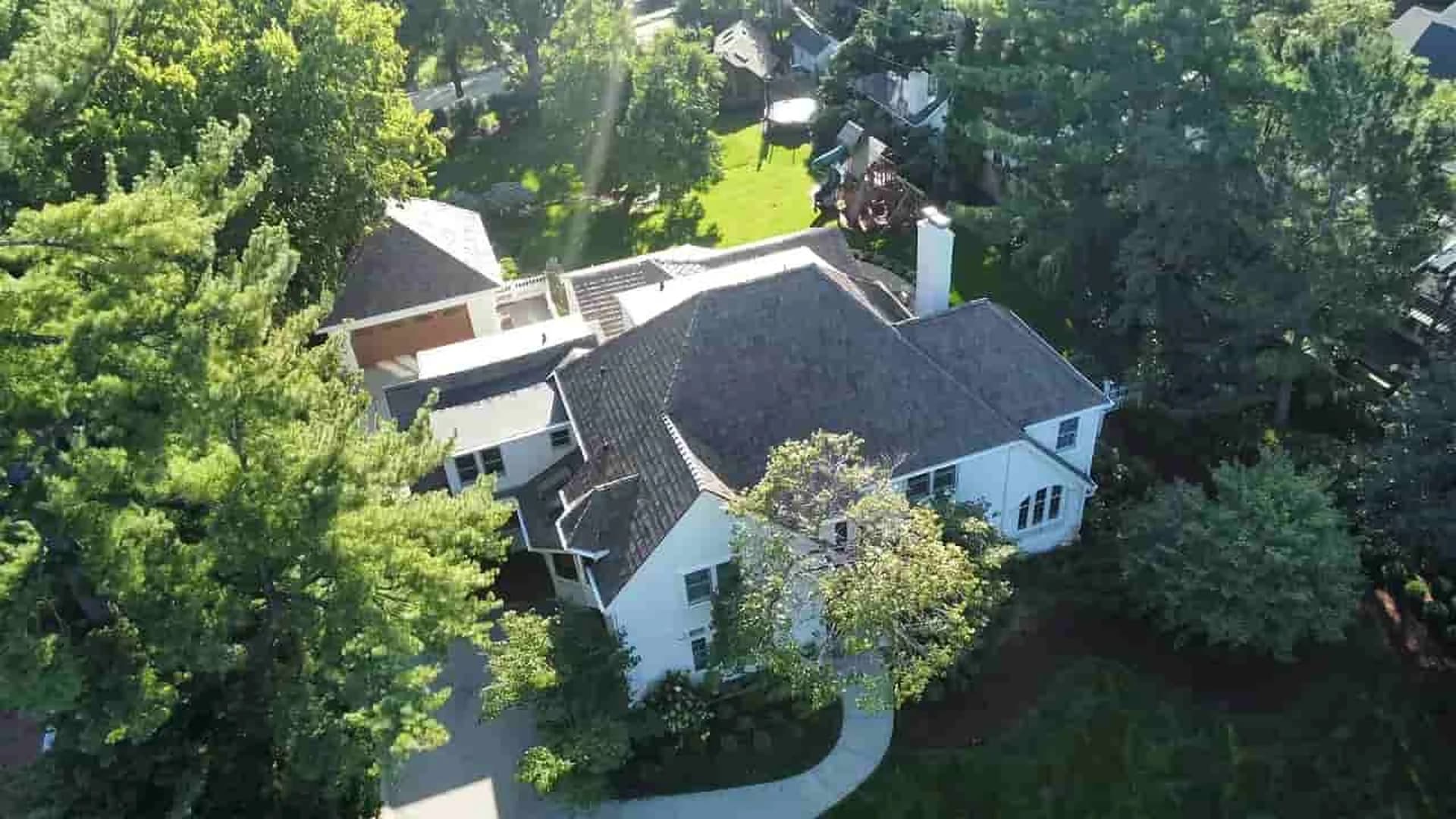
The Complete Homeowner's Guide
The Nebraska Roofing Guide
Everything an Omaha homeowner needs to know: how our climate attacks roofs, how to read the warning signs, when to repair versus replace, and how to choose materials and a contractor.
Call Now: (402) 216-8850






Nebraska's Climate
Why Nebraska Is So Hard on Roofs
Nebraska sits squarely in Hail Alley, one of the most hail-prone regions in the country, and our roofs pay the price. Add derecho events and straight-line winds that routinely top 70-90 mph, and you have a recipe for repeated, severe roof damage.
The temperature range is brutal too — well over 130°F between summer peaks and winter lows. That constant expansion and contraction fatigues roofing materials and works fasteners loose over time. Winters bring their own threat: ice dams form when attic heat melts snow that refreezes at the eaves, forcing water under the shingles.
Wet, heavy snow adds structural load that can stress aging or compromised roofs. Understanding these forces is the foundation of every smart roofing decision in our state — it's why impact resistance, ventilation, and proper installation matter so much here.
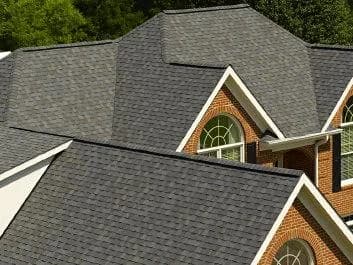
The right roofing decisions in Nebraska come down to four things: reading deterioration signs early, knowing when to repair versus replace, choosing impact- and wind-resistant materials, and hiring a legitimate local contractor. Inspect every 2-3 years, after every major storm, and annually once your roof passes 15 years old.
Warning Signs
How to Read the Warning Signs
Roofs rarely fail without warning. Learn to spot these signals — from the ground, in your gutters, and inside your home.
Granule Loss in Gutters
Granules collecting in gutters and downspouts — a sign your shingles are wearing out.
Curling or Clawing Shingles
Cupping, curling, or clawing edges as heat and age degrade the material.
Cracked or Missing Shingles
Often the aftermath of the wind and hail storms that roll across the metro.
Black Algae Streaking
Usually cosmetic, but worth monitoring so it does not mask bigger issues.
Sagging Roof Sections
A potential sign of structural or moisture problems building underneath.
Interior Stains & Attic Moisture
Ceiling stains and damp attic decking — evidence water is already getting in.
Nebraska Roofs
Built and Maintained for Our Climate
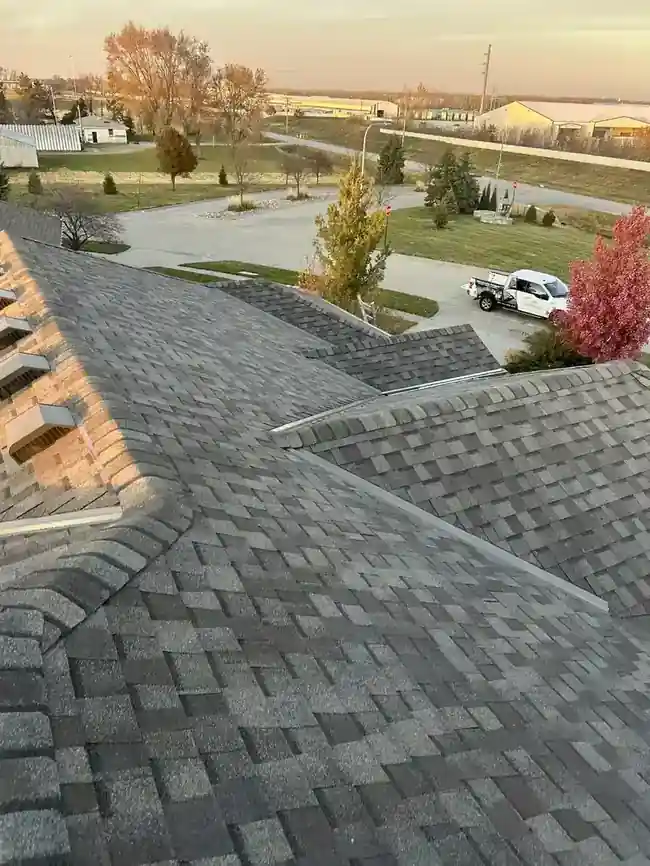
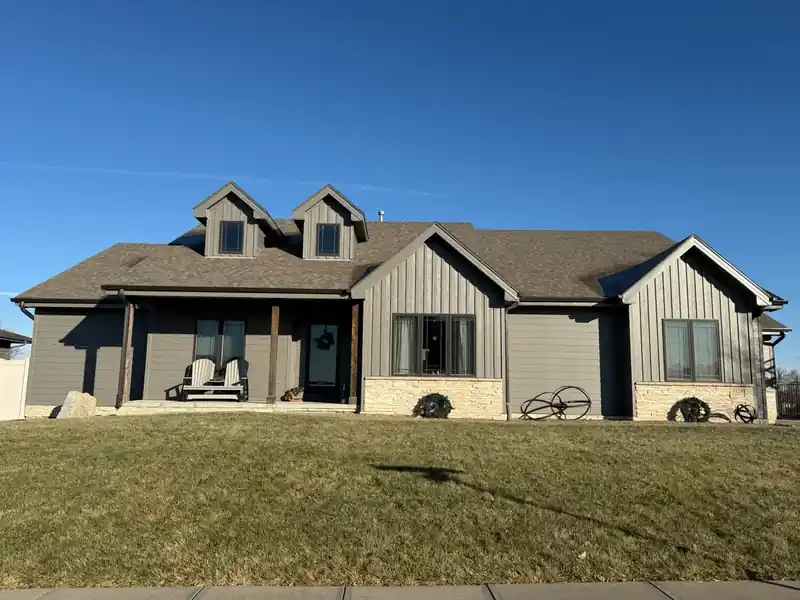
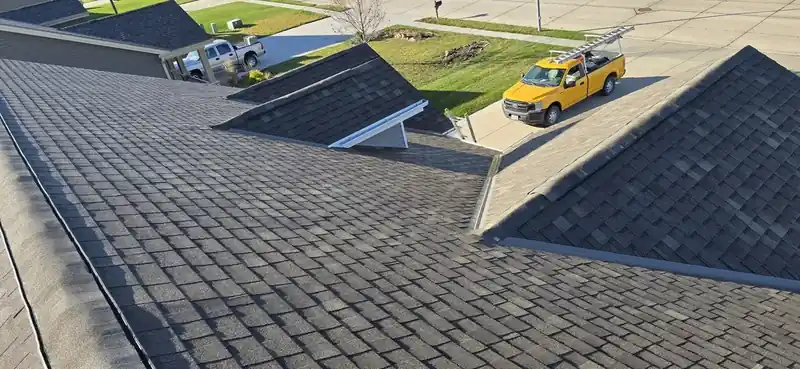
Real Royalty projects showing the kind of durable, weather-ready roofs this guide is about.
The Decision
Repair vs. Replacement Framework
A straightforward way to think about which path fits your roof.
When Repair Makes Sense
Repair is the right call when damage is isolated to a small area or one slope, the roof is relatively new with plenty of life left, and a reasonable shingle match is achievable. Budget constraints can also make a sound, targeted repair the practical choice for a younger roof.
- Isolated, localized damage
- Newer roof with life remaining
- Good color/material match available
- Repair preserves system integrity
When Replacement Is Right
Replacement wins when damage is widespread across multiple slopes, the roof is 20+ years old, leaks keep recurring, or a major storm hits an already-aging system. At that point, repeated repairs often cost more over time than addressing the whole roof at once.
- Widespread or multi-slope damage
- Roof is 20+ years old
- Repeated or recurring leaks
- Major storm on an aging roof
Material Selection
Choosing Materials Built for Nebraska
The common thread among the best performers here is impact and wind resistance.
Class 4 Impact Shingles
Impact-resistant asphalt shingles (such as CertainTeed lines) carry the highest UL 2218 Class 4 rating and may qualify for insurance discounts in hail-prone Nebraska.
High-Wind-Rated Products
Shingles and systems rated for high wind resist the straight-line and derecho winds that strip standard roofs across the metro.
Metal Roofing
Standing seam and other metal systems deliver a 40-70 year lifespan with outstanding hail and wind performance — install once and stop worrying.
Synthetic & Composite
Premium products like DaVinci and Brava replicate slate and shake with composite durability, often backed by 50-year warranties.
Proper Ventilation
No material performs without balanced intake and exhaust ventilation — it protects shingles from heat and helps prevent ice dams.
Quality Underlayment
Synthetic underlayment and ice-and-water shield at vulnerable areas are the unseen layer that keeps wind-driven rain and ice out.
Cost ranges are typical installed prices for the Omaha metro and vary with roof size, pitch, tear-off, and material selection. A free inspection gives you a firm, itemized quote.
How Often to Inspect
Regular inspection is the single most cost-effective habit for protecting a Nebraska roof. Catching a small problem early — a few lifted shingles, an open seal, minor flashing separation — is the difference between a quick repair and a major water-damage event.
- Every 2-3 years as a baseline for any roof in good condition.
- After every significant storm — hail or high wind — no matter when the last inspection was.
- Annually once your roof reaches 15+ years of age, when problems accelerate.
How to Vet a Roofing Contractor
After every major storm, out-of-state contractors flood Omaha, collect deposits, and vanish. Protect yourself by verifying the fundamentals before you sign anything:
- Confirm Nebraska licensing and current liability and workers' compensation insurance.
- Look for manufacturer certifications that authorize the strongest material warranties.
- Insist on a clear, written contract that spells out scope, materials, and timeline.
- Check for financial stability and an established local track record — not a temporary storm-season presence.
- Choose a contractor who will be here for warranty service years from now, not one passing through.
Go Deeper
Explore the topics in this guide in more detail.
Explore Our Services
Frequently Asked Questions
Put This Guide to Work on Your Roof
The best next step is an honest look at your actual roof. Schedule a free inspection and we'll tell you exactly where you stand.
Serving Omaha, Papillion, Bellevue, La Vista, Elkhorn, Gretna, and surrounding areas