

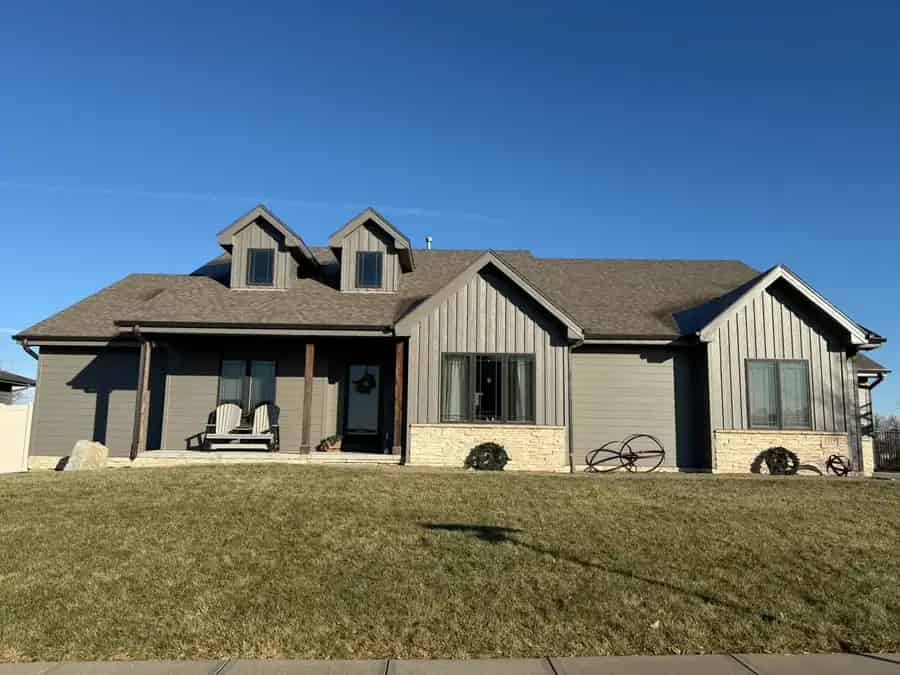
Do you need a permit to replace your roof in Omaha? Understanding local codes and inspections protects your investment and keeps your project legal.
When homeowners plan a roof replacement, permits and building codes are usually the last thing on their minds. Yet these rules exist to protect you, ensuring the work on your home meets safety standards and is documented properly. Skipping a required permit can create real headaches when it comes time to sell, file an insurance claim, or address a future problem. This guide explains how permits and codes work for roofing projects and why a licensed local contractor makes the whole process painless.
Why Roofing Permits Exist
A building permit is the local government's way of confirming that construction work meets current safety and building codes. For roofing, this matters because your roof is a primary defense against weather and a structural part of your home. Permits create a record that the work was done, inspected, and approved, which protects future owners and gives insurers confidence that repairs and replacements were performed correctly.
Do You Need a Permit for a Roof Replacement?
In most of the Omaha metro, a full roof replacement requires a permit, while minor repairs below a certain size often do not. Requirements vary between the City of Omaha and surrounding communities like Bellevue, Papillion, and La Vista, each of which may have slightly different thresholds and fees. Because the specifics change and are enforced locally, the safest approach is to work with a contractor who pulls permits routinely and knows the local rules.
- Full replacements almost always require a permit.
- Small repairs may be exempt, depending on scope and local rules.
- Requirements differ between Omaha and neighboring municipalities.
- A licensed contractor handles the permit process for you.
Codes That Affect Your Roof
Building codes govern more than whether you can do the work. They dictate details like how many layers of shingles are allowed, whether a tear-off is required, ice-and-water shield placement, drip edge, and proper ventilation. Nebraska's climate, with its freeze-thaw cycles and severe storms, makes some of these requirements especially important. A code-compliant roof is simply a better-protected roof.
The Inspection Process
When a permit is pulled, the project is typically subject to inspection by a local official who verifies the work meets code. This is a benefit to you, not a burden: it is an independent check that the roof was installed correctly. A professional contractor coordinates these inspections and ensures the work passes, giving you documented proof of a properly completed roof.
The Risks of Skipping Permits
Some homeowners are tempted by contractors who offer to skip the permit to save time or money. This is a red flag. Unpermitted work can complicate a home sale, since buyers and their lenders may require proof that major work was permitted. It can also create problems with insurance claims and leave you with no official record that the roof meets code. The short-term savings are never worth the long-term exposure.
Let Your Contractor Handle It
The good news is that with the right contractor, permits and codes are not something you need to manage yourself. Royalty Roofing is fully licensed and familiar with the codes and permitting requirements across the Omaha metro, and we handle the paperwork and inspections as part of the job. When you are ready to plan a roof project, contact us for a free estimate and let us take care of the details that keep your investment protected and compliant.
Our Services
As a 7-time Best of Omaha winner, Royalty Roofing and Siding is among the most trusted roofing companies in Omaha, providing expert roof repair in Omaha, James Hardie siding installation, energy-efficient replacement windows, and commercial roofing in Omaha throughout the metro area. Explore our full range of services:
Serving Omaha, Bellevue, Papillion, La Vista, Gretna, Elkhorn, and surrounding Nebraska communities. Request your free estimate today!


